
SUIT UP FOR SAFETY: YOUR ULTIMATE GUIDE TO CONTI-SUITS AND BOILER-SUITS

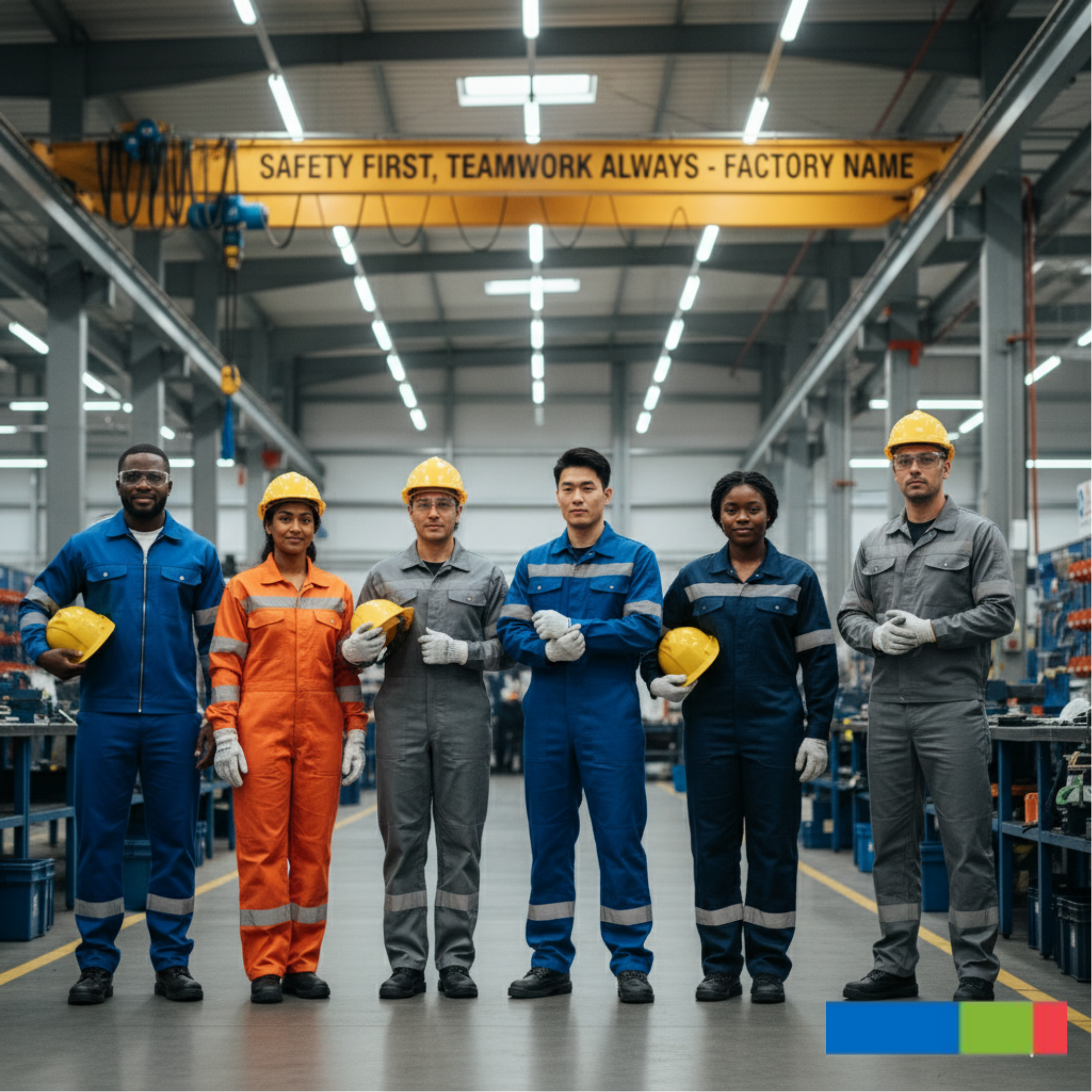
In every workshop, factory, or construction site, there’s one thing almost everyone wears: protective workwear. It’s your last line of defence, a crucial shield that keeps you safe, comfortable, and ready to tackle demanding tasks throughout your workday.
Here in South Africa and across the globe, two types of work uniforms stand out above the rest:Conti-Suits and Boiler-Suits. They might look similar at a glance, but each has unique features, materials, and safety benefits that make them suitable for different jobs and environments.
So what exactly are conti-suits and boiler-suits? Why does choosing the right one matter so much?
In this comprehensive guide, we’ll unpack everything you need to know, from fabric choices to safety standards so you can make the right decision for yourself or your team.
Here’s what this guide will cover:
- Understanding Conti-Suits and Boiler-Suits – what they are, how they differ, and which industries use them.
- Key South African Standards (SANS & SABS) – how they ensure your workwear meets quality and safety benchmarks.
- Common Fabrics Used – from cotton and polycotton to heavy-duty denim, we’ll explain which fabric works best for which job.
- Specialized Suits for Enhanced Protection – including flame-retardant, acid-resistant, waterproof, and high-visibility designs.
- Advantages and Disadvantages For Contis and Boiler Suits – the pros and cons of each type of suit and material.
- Conti-Suit vs. Boiler-Suit Comparison – a detailed side-by-side look at flexibility, cost, durability, and comfort.
- How to Ensure a Proper Fit – why correct sizing is critical for safety and compliance.
- Caring for Your Workwear – maintenance tips to make your suits last longer and perform better.
- Frequently Asked Questions – answering the most common questions about protective workwear and helping you make informed choices.
By the end of this post, you’ll have a complete understanding of the differences between conti-suits and boiler-suits, how to choose the right one for your work environment, and how to maintain them for long-term use.
Let’s suit up for safety – and get to work!
CONTI-SUITS: YOUR EVERYDAY FLEXIBLE WORK BUDDY
Picture this – you’re getting ready for a typical day in a busy factory,workshop, or maintenance site. You need something strong enough to handle dust, grease, and daily wear, but still comfortable and flexible so you can move freely throughout your shift.
That’s exactly where the conti-suit comes in.
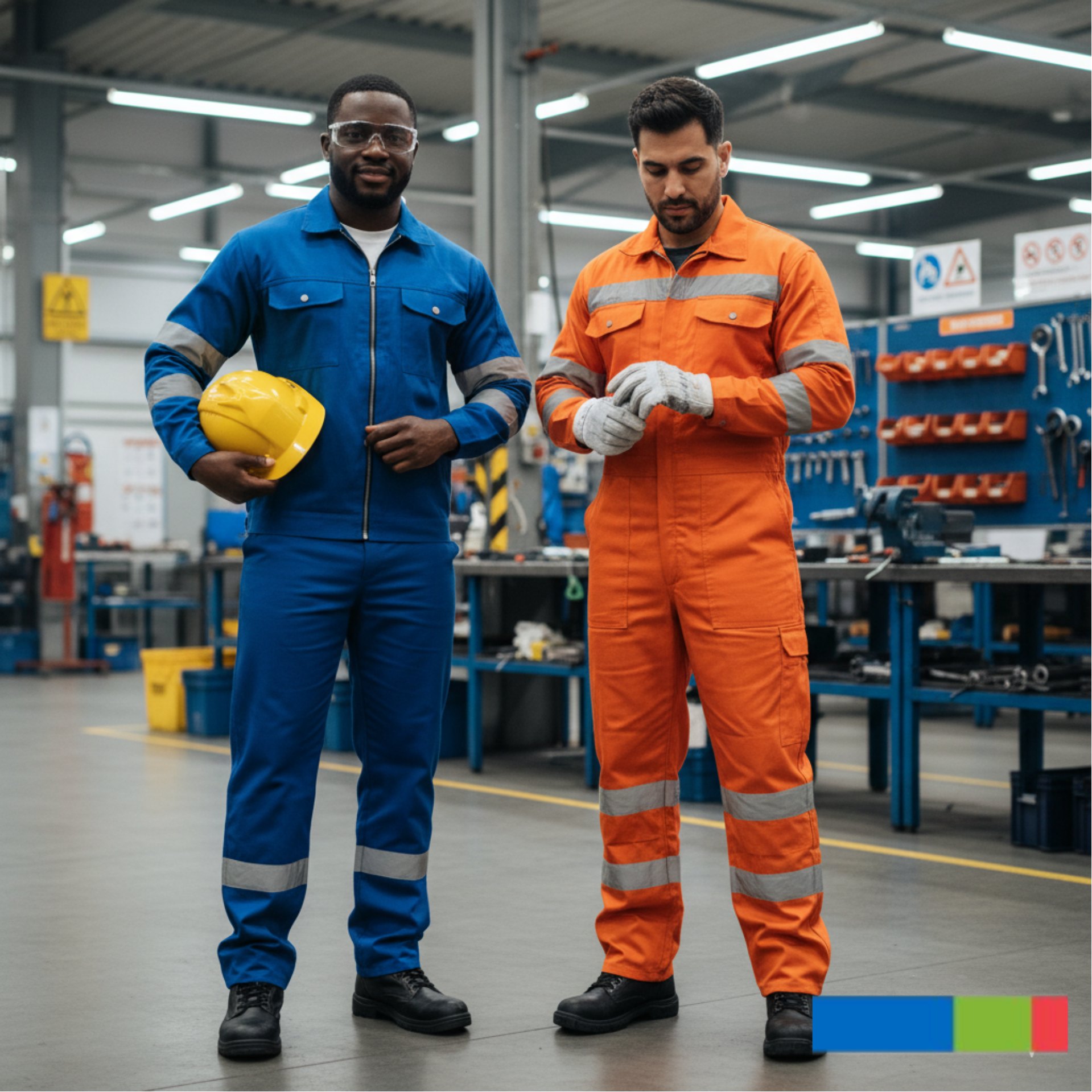
Short for “continental suit,” the conti-suit is a two-piece outfit consisting of a matching jacket and trousers. In South Africa, it’s often called “contis” or “overalls”, but the design stays the same – simple, practical, and built for performance.
Because it’s made from durable, breathable fabrics, the conti-suit offers an ideal balance of protection and comfort, making it perfect for light to medium industrial work, construction, farming, mechanical repairs, and warehouse operations.
Some modern conti-suits even come with reflective tape, which works like built-in visibility gear – reflecting light from vehicles, forklifts, or headlights to keep workers visible and safe in low-light conditions.
Globally, conti-suits are seen as a workwear essential. They protect against dust, dirt, and minor abrasions, while allowing easy movement and breathability for long hours. In short, it’s your everyday flexible work buddy – designed for comfort, durability, and safety in one reliable uniform.
BOILER-SUITS: YOUR FULL-BODY SHIELD FOR TOUGHER JOBS
When your work involvesheavy-duty, dirty, or high-risk tasks, a boiler-suit is your ultimate protective gear. Unlike aconti-suit, which comes as a separate jacket and trousers, aboiler-suit is a single, one-piece garment that covers you from neck to ankle.
You simply step into it and zip it up the front, creating a continuous barrier with no gaps around your waist – meaning less risk of dirt, chemicals, or sparks getting through. Because of this seamless design, boiler-suits are often referred to as “coveralls” or “overalls” in many industries.
They’re designed to be tough, durable, and functional, making them ideal for jobs where complete coverage and protection are non-negotiable – such as mechanics, engineers, construction workers, welders, and maintenance teams.
Boiler-suits also come in a range of colours and fabric types, depending on the work environment. Some are made with high-visibility reflective tape, ensuring workers remain clearly seen in low-light or high-traffic areas, such as on roadworks, mining sites, or factory floors.
In short, if your job gets messy, involves physical hazards, or exposes you to dirt, oil, or sparks, the boiler-suit is your go-to full-body shield – offering maximum protection, durability, and peace of mind all in one garment.
STANDARDS COMPLIANCE: THE “QUALITY STAMP” FOR YOUR WORKWEAR
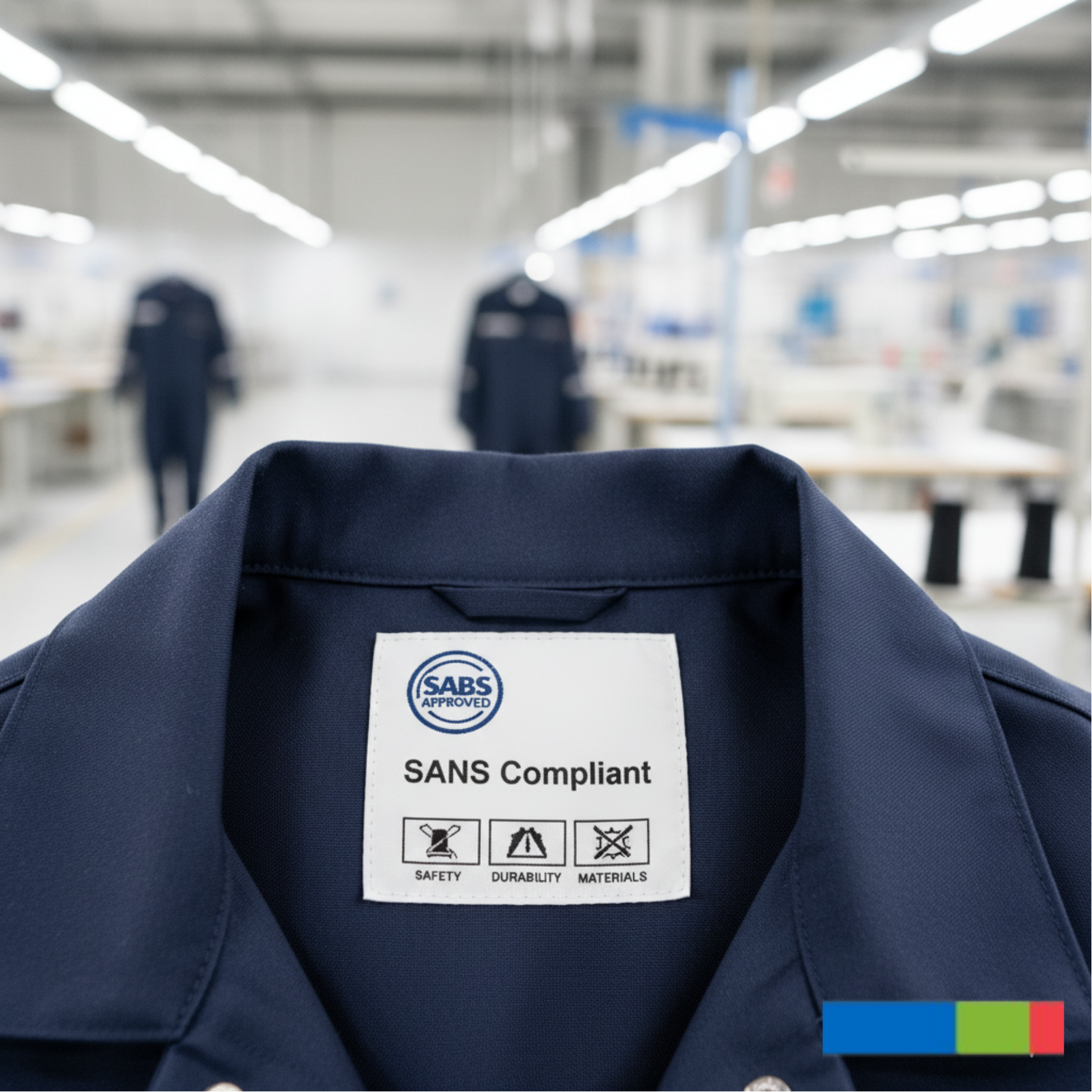
The rules, set by experts (like the SABS – South African Bureau of Standards), ensure your work clothes actually protect you and are well-made. When a suit “complies” with a standard, it means it has been tested and meets certain safety and quality requirements.
Here are some important standards:
SANS 434 – The Basic Blueprint for Workwear
- What it is: The main guide for how conti-suits and boiler-suits should be built. It sets basic rules for materials, cut, how they’re sewn (make-up and trim), sizes, and the quality of stitching and seams.
- Why it matters: Ensures your general workwear won’t fall apart easily and meets a decent quality standard. It doesn’t cover special dangers like fire, but it guarantees the suit itself is well-made.
- References to other specific standards: SANS 1362 (sewing threads), SANS 1822 (zippers), SANS 5278 (stitches per length), SANS 10235 (fabric content labels). These ensure every small part of the suit is up to par.
SANS 1387-4 – The Fabric’s Report Card (J54 & D59)
- What it is: All about the quality and strength of the fabric, especially for cotton workwear.
- Why it matters: Defines specific strong cotton fabrics:
- J54 twill: Popular 100% cotton for conti-suits and boiler-suits, must weigh at least 220 grams per square meter (g/m²). It’s sturdy and breathable.
- D59 “drill” satin weave: Heavier 100% cotton, often for more protection or special treatments, must be at least 270 g/m².
- These fabrics are usually “pre-shrunk,” so they won’t become tiny after the first wash, ensuring consistent strength and durability.
SANS 1423 – The Fire Test for Fabrics
- What it is: Describes how fabrics are tested for flame resistance, classifying them by how quickly they catch fire and how fast flames spread.
- Why it matters: If you need a suit that will self-extinguish (stop burning on its own) or is flame-retardant, the fabric must pass these tests. Crucial for industries with sparks, open flames, or fire risks, like welding or petrochemical plants.
SANS 50471 – The “See-Me” Standard for High-Visibility Clothes
- What it is: Ensures you can be seen clearly, especially in tricky conditions. Sets rules for bright fluorescent colours (like neon yellow or orange) and reflective tapes on high-visibility suits.
- Why it matters: Defines how well materials reflect light (especially at night) and where reflective strips should be placed. A road worker directing traffic – their SANS 50471-approved suit makes them stand out, ensuring safety where visibility is key.
ISO 9001 / SANS 9001 Certification & The SABS Mark
- What it is: It is not about the suit itself, but how the factory operates. ISO 9001 (or SANS 9001 in South Africa) is an international standard for quality management systems, meaning the factory consistently produces quality products.
- Why it matters: To get the official SABS mark on a suit, it must be made in an ISO 9001-certified factory. SABS regularly checks raw fabrics and finished suits. If a product just “says” it meets SANS specs but lacks this factory certification and audits, it cannot carry the official SABS mark. The SABS mark is your ultimate assurance of quality and safety.
COMMON FABRICS USED IN CONTIS AND BOILER SUITS:
- Cotton: This is a natural fabric.
- Good for: Letting your skin breathe, which keeps you cooler in warm weather. It’s also soft and soaks up sweat.
- Variations: Common cotton types include cotton twill (like J54) and cotton drill (like D59), which offer varying degrees of strength and weave patterns, used in both suits types depending on the required toughness.
- Polycotton: This is a mix of polyester and cotton.
- Good for: Durability and lasting a long time. The polyester makes it stronger and helps it resist wrinkles, while the cotton keeps it comfortable and breathable.
- Common Weight: Often found in 80/20 (80% polyester, 20% cotton) or 65/35 blends, and various fabric weights (GSM – grams per square meter).
- Denim: This is the strong fabric your jeans are made of.
- Good for: Being super durable and hard-wearing, especially if your job involves a lot of rubbing or rough work. This makes it suitable for both conti-suits and boiler-suits in heavy-duty or industrial settings.
- Classic Workwear Aesthetic: It carries a traditional workwear look and feel.
SPECIALIZED SUITS FOR ENHANCED PROTECTION:
Workplaces come with many different hazards, so a one-size-fits-all approach to workwear simply doesn’t work. That’s why specialized conti-suits and boiler-suits exist, each designed to provide protection for specific risks and environments.
General Light Duty Contis and Boiler Suits are your standard workwear for everyday tasks. They provide basic protection against dirt, dust, and minor bumps while remaining comfortable for long shifts. These suits are ideal for environments such as light manufacturing, clean warehouses, packaging areas, retail stockrooms, school maintenance, general factories, and farming. They are practical, affordable, and suitable for workers performing routine operations without heavy hazards.
Flame Retardant Contis and Boiler Suits are made from materials that resist ignition and self-extinguish if they catch fire. This added protection gives workers critical extra seconds to move away from flames or sparks. These suits are commonly used in welding stations, smelting plants, power stations, steel manufacturing, foundries, refineries, and gas pipeline operations. They are essential in workplaces where fire or high temperatures pose a significant risk.
Acid Resistant Contis and Boiler Suits are specially treated to repel or resist accidental splashes of corrosive liquids such as acids. They are used in laboratories, chemical storage areas, battery factories, water treatment plants, acid tank zones, fertilizer production, and pulp and paper mills. These suits provide essential protection against chemical hazards, reducing the risk of burns or damage to skin and clothing.
Flame and Acid Resistant Contis and Boiler Suits combine protection against both fire and chemical hazards. These dual-purpose suits are perfect for high-risk environments such as oil and petrochemical plants, power stations, hazardous waste sites, steelworks, plastic manufacturing, paint production, and high-risk industrial laboratories. They are designed for workers who face multiple hazards simultaneously, ensuring comprehensive safety.
High-Visibility Contis and Boiler Suits focus on making workers easily seen in low-light or high-traffic environments. Featuring bright fluorescent colours and reflective strips, these suits are commonly used on road construction sites, mining areas, railway maintenance, airports (baggage handling), ports and docks, warehouses with forklifts, and utility work conducted at night. They reduce the risk of accidents caused by poor visibility.
Waterproof Contis and Boiler Suits are designed to keep workers dry while maintaining breathability. They are essential in wet conditions or outdoor environments, such as construction sites, sewer maintenance, road repair in rainy conditions, agricultural spraying, ship maintenance, utility repair during storms, and fish processing plants. These suits provide a barrier against water without making the wearer uncomfortable during extended work periods.
Advantages and Disadvantages of Contis and Boiler Suits
General Light Duty Contis and Boiler Suits
- Advantages: These suits are made from comfortable cotton blends and often include multiple pockets, giving workers excellent freedom of movement. They are lightweight, breathable, and ideal for daily tasks in factories, warehouses, or general maintenance roles.
- Disadvantages: They offer limited protection against chemicals, heat, or harsh working conditions. Their durability may not be sufficient for more demanding or industrial environments.
Flame Retardant Contis and Boiler Suits
- Advantages: These suits use self-extinguishing fabrics, providing crucial extra seconds to move to safety in case of fire or sparks. They are essential for welding, steel manufacturing, and other fire-prone industries.
- Disadvantages: They are heavier and warmer, which may reduce comfort during long shifts. The purchase price is higher, and they require specialized laundering as the protective coating can degrade over time. Extra weight can also reduce breathability.
Acid Resistant Contis and Boiler Suits
- Advantages: Coated fabrics repel corrosive liquids, effectively protecting the wearer and underlying clothing. These suits are crucial in laboratories, chemical storage, battery factories, and other environments where accidental spills are a risk.
- Disadvantages: They are specialized, so they may be less flexible and comfortable for general tasks. They also do not provide protection against fire or heat hazards.
Flame & Acid Resistant Contis and Boiler Suits
- Advantages: These suits combine protection against both fire and corrosive chemicals, offering comprehensive safety in high-risk workplaces like petrochemical plants, steelworks, or hazardous waste sites.
- Disadvantages: They are heavier, more expensive, and require careful maintenance to preserve both protective features. They may reduce mobility and comfort due to the added layers and coatings.
High-Visibility Contis and Boiler Suits
- Advantages: Bright fluorescent colours and reflective strips enhance worker visibility in low-light conditions, near vehicles, or in dangerous industrial environments. They are perfect for road construction, mining, airports, and night-time utility work.
- Disadvantages: While they improve visibility, they provide minimal protection against chemical, fire, or heavy-duty physical hazards. Their focus is on safety through visibility rather than hazard resistance.
Waterproof (Rain-Proof) Contis and Boiler Suits
- Advantages: These suits keep workers dry in wet environments while still allowing breathability to prevent overheating or excessive sweating. Ideal for outdoor construction, sewer maintenance, road repairs in wet conditions, and agricultural work.
- Disadvantages: Waterproof suits may require resealing of stitched areas over time to maintain full protection. They can be heavier than standard suits and may limit mobility slightly compared to lighter workwear.
COMPARISON: CONTI-SUITS vs. BOILER-SUITS – WHICH ONE WINS?
Choosing between a conti-suit and a boiler-suit really depends on their design and the type of job you’re doing.
| Criteria | Conti-suits | Boiler-suits |
| Features, Materials, and Uses | Your comfortable, everyday separate jacket and trousers. They offer more flexibility and are generally lighter, making them a great fit for jobs needing lots of movement and relative comfort. Example: A carpenter bending to cut wood and reaching for tools in a workshop. | Your single, full-body protective layer. They offer comprehensive, head-to-toe protection, perfect for much dirtier or riskier jobs needing a strong, continuous barrier. Example: A mechanic under a greasy truck, or an engineer inspecting heavy machinery in a dusty plant. |
| Cost | Generally more affordable due to lighter materials and simple two-piece construction. | Tend to be more expensive as they offer more coverage, often use heavier, more tough material, and can include specialized protective features. |
| Durability and Longevity | For lighter, less intense tasks, they offer adequate longevity and excellent comfort, a cost-effective choice for general wear and tear. | With tough, often heavier materials and one-piece construction, they are typically built to last longer in harsh, tougher conditions. Designed for endurance. |
| Comfort and Practicality in Different Work Environments | In warmer climates, their two-piece design and often lighter, more breathable fabric make them more comfortable. The jacket can also be removed if it gets too warm. | Their protective fabric might be preferred in cooler environments as they offer more coverage and a bit more warmth. Their comprehensive coverage is highly practical for jobs where you need to keep everything out. |
HOW TO ENSURE A PROPER FIT: IT’S MORE THAN JUST COMFORT!
A work suit that fits you well isn’t just about looking good; it’s absolutely crucial for your safety and how well you can do your job. An ill-fitting suit can actually put you in danger!
- Mobility (Freedom to Move): A well-fitting suit lets you move, bend, stretch, and climb easily. If it’s too tight, you’ll feel stuck; if too loose, you might trip or get tangled. Good mobility is essential for doing your job efficiently and safely.
- Comfort: Wearing clothes that pinch, rub, or are too hot all day. Ill-fitting suits cause discomfort, leading to distractions and potential safety risks because you’re not focusing on your task.
- Protection: This is critical!
- A suit that is too loose can easily get caught in machinery, which is a very serious hazard.
- A suit that is too tight might tear easily or create gaps in protection, leaving your skin exposed to dangers like chemicals, or sparks.
- Compliance (Following the Rules): Many safety rules and industry standards actually require protective clothing to fit correctly. If your suit doesn’t fit properly, it might not be considered compliant, leading to problems for both you and your employer.
GENERAL TIPS FOR SIZES FOR BOTH CONTI-SUITS AND BOILER-SUITS:
Getting the size right can feel tricky, but these general tips will help:
ForConti-Suits(Two-Piece):
- Jacket-to-Trouser Ratio: In South Africa, it’s common for the trousers in a conti-suit set to be about two sizes smaller than the jacket. So, if your jacket size is a “40,” the trousers will likely be a “36.” Keep this in mind! If you need a very specific fit for your trousers, check if the supplier offers separate jacket and trouser purchases.
- For Boiler-Suits (One-Piece):
- Chest Measurement (Most Important): This is your main starting point. Measure around the fullest part of your chest, just under your armpits. Most boiler-suit sizes are based on this.
- Waist Measurement: Measure around your natural waistline. While chest size usually determines the overall suit size, ensure the waist area will be comfortable, especially when bending.
- Inside Leg (Inseam) Measurement: Measure from your crotch down to where you want the suit leg to end – usually at the top of your safety boot. You don’t want it dragging on the ground (trip hazard!) or too short (exposing your ankles!).
- Height (Crucial for One-Piece): Your overall height is very important for boiler-suits! It ensures the suit has enough “torso length” from your shoulder to your crotch. If it’s too short, it will pull uncomfortably when you raise your arms or bend down.
GENERAL BUYING TIPS FOR BOTH CONTI-SUITS AND BOILER-SUITS:
- Always Check the Size Chart: Sizes can differ. Always look at the specific size chart you’re buying.
- Allow for Underlayers: If you’ll be wearing clothes underneath (which you usually will), or if it’s cold, consider going up one or even two sizes from your snug body measurement to ensure comfort and freedom of movement.
- Try It On: If possible, always try the suit on! Perform common work movements like bending, stretching, and reaching to ensure it doesn’t restrict you.
- Bigger is Safer (Usually): If you’re between sizes, it’s generally safer to choose the larger size. A slight room fit is usually better for mobility and comfort than a suit that’s too tight.
CARING FOR YOUR CONTIS AND BOILER-SUITS: MAKE THEM LAST!
Workwear protects you, when you need to be protected! Proper care isn’t just about looks; it’s essential for your suits to keep protecting you effectively.
Here are some golden rules for looking after your workwear:
- Always Read the Care Instructions: This is the most important step! Every suit has its own instructions, usually on an inside label. They tell you exactly how to wash, dry, and iron it without damaging its protective features.
- Wash Regularly: Don’t let dirt, sweat, and other grime build up. Regular washing keeps them clean and hygienic, and helps maintain their protective qualities.
- Dry Them Properly: Whenever possible, let your suits air-dry. This is gentle on the fabric and helps special treatments (like flame resistance) keep working. If using a dryer, always use a low heat setting to prevent shrinking or damage.
- Inspect Them Often: Make it a habit to check your suits regularly for any signs of wear and tear. Look for:
- Frayed seams (where fabric is coming apart).
- Worn or thin fabric (areas that look like they’re about to tear).
- Missing or damaged buttons/zippers (these need to be fixed or replaced). If you spot any significant damage, it’s time to replace the suit. A damaged suit can’t protect you properly!
- Store Them Correctly: When not wearing your workwear, keep it in a cool, dry place away from direct sunlight. This helps prevent colours from fading and keeps the material strong for longer.
FINAL THOUGHTS
Choosing the right workwear is more than just a purchase; it’s an investment in safety, comfort, and productivity. Understanding the unique features, benefits, and limitations of conti-suits and boiler-suits is key to making an informed decision for yourself or your team.
Always prioritize compliance with vital safety standards like those set by SABS, ensure a proper fit, and follow care instructions to make your workwear last. By doing so, you’re not just wearing a uniform; you’re wearing a shield that helps you tackle tough jobs safely and efficiently every day.
FREQUENTLY ASKED QUESTIONS (FAQS)
1. Are conti-suits suitable for women in industrial jobs?
Absolutely. Modern conti-suits are available in unisex and women-specific designs to ensure a better, more comfortable fit. Women’s conti-suits usually have narrower shoulders, shaped waists, and adjusted leg lengths, which improve mobility and reduce bulkiness.
Many South African suppliers now produce tailored workwear lines that maintain the same SABS-certified protection as men’s suits, ensuring comfort without compromising safety.
2. What fabrics are used to make quality conti-suits and boiler-suits?
Most quality workwear is made from poly-cotton blends (usually 65% polyester and 35% cotton) because they combine durability and breathability.
For specialized protection, manufacturers use treated cotton, Nomex®, or Proban® fabrics for flame resistance, and PVC or coated nylon for acid and water resistance.
The choice of fabric determines how your suit handles heat, moisture, and wear, so always check the material label before buying.
3. How do reflective tapes on conti-suits improve safety?
Reflective tapes enhance visibility in low-light or high-traffic environments by reflecting light from vehicles or machinery back to its source.
This makes the wearer visible from a distance reducing accident risks, especially during night shifts or outdoor work.
In South Africa, SANS 20471 outlines visibility standards for high-visibility clothing, ensuring workers are seen in both daylight and darkness.
4. Can conti-suits and boiler-suits be used for electrical work?
Yes, but only specially rated versions should be used.
Electrical workwear must be made from arc-rated, flame-resistant materials that do not conduct electricity or melt under heat.
Look for ARC-rated or ATPV-rated garments that comply with SANS/IEC 61482.
Standard conti-suits and boiler-suits do not offer sufficient protection for electricians, so always choose garments certified for electrical arc safety.
5. What should I look for when fitting a conti-suit or boiler-suit?
Proper fit is crucial for both safety and comfort.
Make sure:
- The shoulders and knees allow free movement without tightness.
- The sleeves and pant legs are long enough to cover wrists and ankles when bending.
- The zipper or buttons close easily without strain.
- There’s enough room for layering clothing underneath in cold environments.
A poorly fitted suit can cause restricted movement or snagging hazards, so always try on before purchase.
6. How long does a conti-suit or boiler-suit typically last?
With regular use, a high-quality conti-suit can last 6 to 12 months, while a heavy-duty boiler-suit can last up to 18 months or longer, depending on the work environment and care routine.
Factors such as exposure to chemicals, heat, or abrasion can shorten lifespan.
Inspect your suit regularly and replace it once seams, zips, or reflective tape start wearing out, as damaged gear reduces protection.
7. Can I wear a conti-suit or boilr-suit over my regular clothes?
Yes, both are designed to be worn over everyday clothing as an added layer of protection.
Most workers wear lightweight cotton or moisture-wicking clothing underneath to stay comfortable.
However, ensure that your underlayer doesn’t interfere with fit or movement, and avoid synthetic fabrics under flame-retardant suits, as they can melt in extreme heat.
READY TO FIND YOUR PERFECT PROTECTIVE WORKWEAR?
🦺 Ready to Find the Perfect Workwear for Your Team?
Whether you’re in manufacturing, construction, engineering, mining, or agriculture, choosing the right protective clothing keeps your team safe, confident, and compliant.
At Real PPE, we supply SABS-approved Conti-Suits and Boiler-Suits designed for every industry — from flame-retardant and acid-resistant gear to high-visibility and waterproof options.
👷♂️ Explore our full range today:
📩 Email: support@realppe.co.za
📞 Call: 011 568 4247
🌐 Visit: www.realppe.co.za
Your safety is our priority. Suit up smart — work protected with Real PPE.