
Arc Flash Safety: 2026 Guide (Part 2 – How to Protect Yourself and Implement Compliance Measures)


Welcome back! InPart 1 – The Hidden Dangers of an Arc Flash, we explored what arc flashes are, the difference between an arc flash and an arc blast, why they occur, which industries are most at risk, and the invisible safety boundaries that help protect workers.
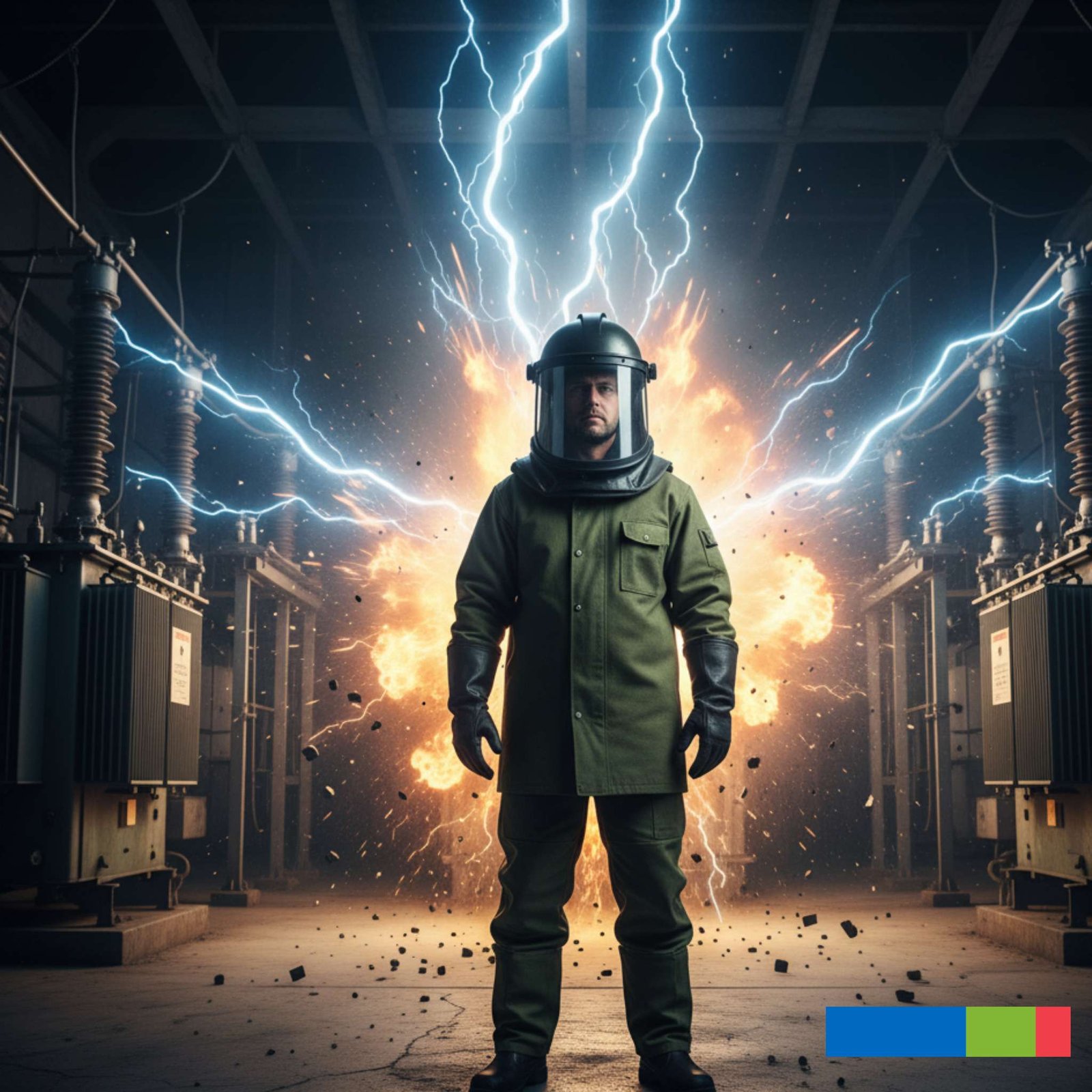
Here’s the scary truth: an arc flash can release temperatures hotter than the surface of the sun, blast molten metal across the room, and create shockwaves strong enough to knock workers off their feet, all in less than a second.
The good news? Arc flashes are preventable. With the right proactive safety measures, arc flash PPE, and compliance with international and South African standards (NFPA 70E, IEC 61482, OSHA 1910.335, and SANS 474), workers can be protected.
This Part 2 guide focuses on the practical side of arc flash safety. You’ll learn how to:
- Arc Flash PPE Categories (CAT 1–4)
- How to Protect Yourself from Arc Flashes
- Arc Flash Safety: Turning Compliance into Lifesaving Action
- Frequently Asked Questions (FAQs)
Across industries like construction, mining, healthcare, manufacturing, and utilities, arc flashes are a hidden but deadly hazard. Awareness, proper procedures, and the correct protective equipment can mean the difference between walking away safely and suffering life-altering injuries.
ARC FLASH PPE CATEGORIES (CAT 1–4)
Here’s how arc flash PPE categories align with risks:
| Category | Arc Rating (min cal/cm²) | Example Tasks | PPE Required |
| CAT 1 | ≥ 4 | Operating low-energy breakers | Arc-rated shirt + pants, face shield, gloves |
| CAT 2 | ≥ 8 | Testing energized 240V panels | CAT 1 + heavier face shield or arc hood |
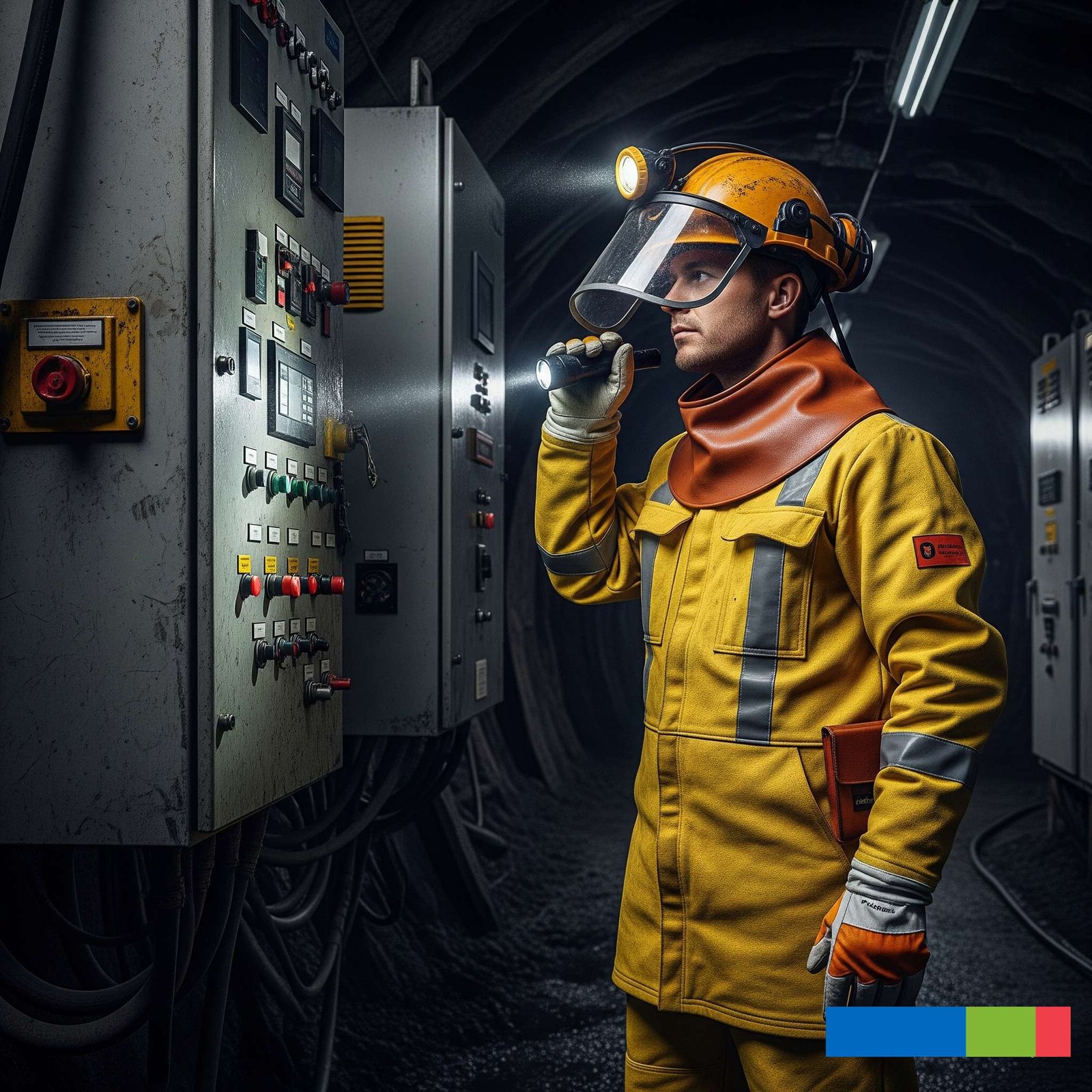
| CAT 3 | ≥ 25 | Switchgear maintenance, medium-voltage tasks | Full arc suit, hood, insulated gloves, boots |
| CAT 4 | ≥ 40 | High-voltage, high-fault current jobs | Maximum protection suit, hood, head/ear protection |
👉 Think of categories as “levels of armour.” The more dangerous the job, the stronger the protection required.
Arc-rated PPE is worn when there is a risk of an arc flash. It comes in different protection levels (called categories or CAT levels) depending on how much heat energy a task could release.
- Lighter arc flash PPE, such as an arc-rated shirt and face shield used in CAT 1 and CAT 2 tasks, is not very bulky and is often used for routine electrical jobs like testing 240V panelsor operating low-energy circuit breakers.
- Heavier PPE, such as full arc flash suits and hoods used in CAT 3 and CAT 4, is worn for high-risk work, like repairing switchgear or working with high-voltage equipment.
Even though lighter arc-rated PPE is rated under 12 Cal/cm², it still protects against smaller arc flashes and minor electric shocks, especially when combined with other gear like insulated gloves and boots. For example, if an electrician is testing circuits or troubleshooting while power is still on, even the lighter PPE can reduce the chance of burns or electric shock injuries.
If an electrician is simply inspecting equipment that is turned off and locked out, arc-rated PPE may not be necessary. But if the system is still energized and they are opening a panel, testing, or making repairs, then arc-rated PPE is required to protect them from serious harm.
Workers do not wear arc flash PPE all the time because it can be heavy, hot, and uncomfortable. But they must wear it when the task or environment has a risk of arc flash. This includes situations such as:
- Working on live electrical panels
- Operating high-voltage switches
- Repairing broken wiring or transformers
- Performing tests on energized systems
HOW TO PROTECT YOURSELF FROM ARC FLASHES?
Mitigating arc flash hazards requires more than awareness. It demands planning, layered protection, and a strong safety culture. Whether you’re a safety officer, electrical engineer, or front-line worker, here’s how to create a comprehensive shield against arc flash risks.
1. Perform Arc Flash Risk Assessments
Every effective safety program begins with a risk assessment. Without it, you’re guessing – and with electricity, guessing is deadly.
What it covers:
- Hazard Identification: Review all panels, switchgear, MCCs, and transformers. Identify equipment with high fault currents, aging components, or poor maintenance.
- Incident Energy Analysis: Calculate the energy (measured in cal/cm²) a worker may be exposed to during an arc flash. This number determines the PPE Category (CAT 1–4).
- Boundary Setting: Define approach limits – restricted, limited, and prohibited boundaries. These distances mark how close a worker can get without PPE or special authorization.
📌 Tip: According to SANS 474 and NFPA 70E, risk assessments should be reviewed every 3–5 years or whenever equipment or system configurations change.
2. Implement Electrical Safety Programs
A documented electrical safety program is your foundation for compliance and worker protection. Think of it as your company’s “safety playbook.”
Core elements include:
- Lockout/Tagout (LOTO): Always de-energize before maintenance. No exceptions.
- Work Permits: Require formal permits for energized work above 50V.
- Emergency Response Plans: Every worker must know how to respond to an incident – first aid, fire response, evacuation, and reporting.
💡 Companies with strong programs not only save lives but also reduce downtime, avoid fines, and cut insurance costs.
3. Use Arc-Rated Personal Protective Equipment (PPE)
Arc-rated PPE is the last line of defence. It won’t stop an arc flash from happening, but it will protect the worker wearing it.
Essential PPE includes:
- Clothing:Arc-rated shirts,pants,coveralls, or fullsuits matched to the incident energy level.
- Head & Face Protection:Hoods,balaclavas, andface shields to stop burns and molten metal injuries.
- Hands & Feet:Insulated rubber gloves with leather protectors,dielectric boots.
- Hearing Protection:Earmuffs orplugs rated for arc blast noise.
📌 Note: Non-arc-rated cotton or polyester clothing ignites instantly in an arc flash. Only certified arc-rated PPE compliant with NFPA 70E, IEC 61482, or SANS 724 provides real protection.
4. Label Electrical Equipment Clearly
Labels act as warning signs and quick guides for workers before they even open a panel.
What labels should show:
- Voltage levels.
- Incident energy in cal/cm².
- Required PPE category.
- Safe approach distances.
Compliance reminder: OSHA, NFPA, and SANS all require visible, up-to-date arc flash labels. Outdated labels = non-compliance + serious risk.
5. Maintain Electrical Equipment Regularly
Here’s a fact: poorly maintained equipment is the #1 cause of arc flash incidents.
Best practices include:
- Routine Inspections: Visual checks for corrosion, overheating, or damaged insulation.
- Infrared Thermography: Detect hidden hot spots before they become faults.
- Testing Protective Devices: Relays, breakers, and fuses must trip correctly during faults.
- Cleaning & Lubrication: Dust and moisture are silent killers – keep equipment clean and serviced.
👉 Skipping maintenance is like ignoring brake warning lights in a car – it’s only a matter of time before disaster strikes.
6. Restrict Access to Qualified Personnel
Not everyone should be near live systems. Restricting access keeps untrained workers safe.
How to enforce this:
- Post clear signage around electrical rooms.
- Install barriers, locks, or restricted key systems.
- Require training, qualifications, and authorization before workers handle energized equipment.
This ensures only qualified electricians and technicians are exposed to arc flash risks.
7. Provide Ongoing Arc Flash Training
Training turns knowledge into action. Even the best PPE is useless if workers don’t know when, why, or how to use it.
Training should include:
- Hazard recognition & boundary awareness.
- Reading arc flash labels correctly.
- Selecting and using the right PPE for the task.
- Responding to arc flash emergencies.
- Annual or biannual refreshers (per OSHA, NFPA 70E, and SANS requirements).
💡 A strong training culture builds accountability, confidence, and most importantly saves lives.
Arc Flash Safety: Turning Compliance into Lifesaving Action
Arc flash safety isn’t about ticking compliance boxes, it’s about protecting people, assets, and livelihoods. A single arc flash incident can cause devastating injuries, shutdowns, and even legal consequences, yet most incidents are preventable with proactive measures.
By combining regular risk assessments, well-maintained equipment, and arc-rated PPE that meets SANS, NFPA, and IEC standards, South African companies can drastically lower their exposure to risk. But compliance alone isn’t enough, employers must build a culture where safety comes first, workers are empowered to speak up, and training becomes second nature.
At the end of the day, no deadline or shortcut is worth risking human life. Arc flash PPE and safety protocols aren’t just regulations – they’re lifelines.
FREQUENTLY ASKED QUESTIONS (FAQS)
1. What industries in South Africa face the highest arc flash risks?
Arc flash hazards extend far beyond electrical utilities. High-risk sectors include mining, manufacturing plants, oil & gas operations, renewable energy sites (solar and wind farms), and construction projects using temporary power systems. Any workplace with high-voltage switchgear, transformers, or energized panels faces potential danger.
Tip: Even small businesses (like fabrication workshops) may be exposed if they use outdated electrical panels. Conduct risk assessments no matter the company size.
Learn More:Department of Employment and Labour – Electrical Machinery Regulations
2. How do South African regulations differ from international arc flash standards?
South Africa aligns closely with NFPA 70E (USA) and IEC 61482 (Europe) but adapts them under SANS 474 and SANS 724. For example:
- SANS 474 focuses on safe work practices and risk assessments.
- SANS 724 ensures arc-rated PPE meets performance requirements.
- Unlike NFPA, South Africa emphasizes compliance with the Occupational Health and Safety Act (OHS Act), which holds both employers and employees accountable.
Tip: If you’re importing PPE, always confirm it has SABS or SANS certification to avoid penalties.
Learn More:SABS – Standards Catalogue
3. What role does technology play in reducing arc flash incidents?
Modern technology significantly reduces arc flash risks:
- Infrared thermography detects overheating components early.
- Arc flash relays and sensors trip circuits in milliseconds.
- Remote racking systems allow workers to operate breakers from a safe distance.
- Predictive maintenance software alerts teams before faults escalate.
Tip: Investing in automation and predictive systems may cost upfront but prevents million-rand shutdowns and liability claims.
Learn More:SAIEE – Electrical Engineering Safety Resources
4. How can small and medium-sized businesses (SMEs) improve arc flash safety on a budget?
SMEs often skip arc flash programs due to cost, but there are affordable steps:
- Basic training sessions for staff on hazard recognition.
- Clear signage and labelling using SANS-compliant stickers.
- Partnerships with PPE suppliers that offer rental or phased purchasing.
- Routine inspections instead of waiting for failures.
Tip: Start with the highest-risk equipment and expand your safety program over time – compliance doesn’t have to be all-or-nothing.
Learn More:ECA SA – Electrical Contractors Association of South Africa
5. What happens if a company fails to comply with arc flash safety laws in South Africa?
Non-compliance can have severe consequences:
- Legal penalties: The Department of Employment and Labour may impose heavy fines or issue stop-work orders.
- Civil liability: Injured workers (or their families) can sue for damages.
- Reputation damage: Clients and investors avoid unsafe companies.
- Increased insurance costs: Non-compliance raises premiums or results in denial of claims.
Tip: Compliance is not just about avoiding punishment – it protects your workforce and keeps your operations sustainable.
Learn More:OHS Act – Department of Employment and Labour
LEARN MORE
Ensure your arc flash PPE is always performing at its best:
👉Arc Flash PPE Care: 2025 Guide (Part 3 – Essential Dos, Don’ts, and Maintenance Tips for Maximum Protection)
Discover proper use, care, inspection checklists, and best practices to maximize protection and maintain compliance.
CONTACT US
Don’t compromise on safety, partner with experts who understand South African standards and international best practices.
📧 Email: support@realppe.co.za
📞 Call: +27 11 568 4247
🌐 Visit: www.realppe.co.za to browse our full range of certified PPE, request a safety consultation, or connect with a knowledgeable safety advisor today.
Remember: Buying PPE is only half the battle – proper use, training, and maintenance save lives. Buy certified. Buy smart. Buy from RealPPE.